Trees in Northern New Jersey face a range of insect pests that can weaken branches, thin canopies, damage bark, or gradually decline the health of an entire tree.
Some pests are easy to recognize. Others spend much of their life hidden under bark, on the undersides of leaves, or high in the canopy.
The earlier homeowners notice unusual changes, the easier it can be to determine what is happening and whether the tree needs treatment, pruning, monitoring, or removal.
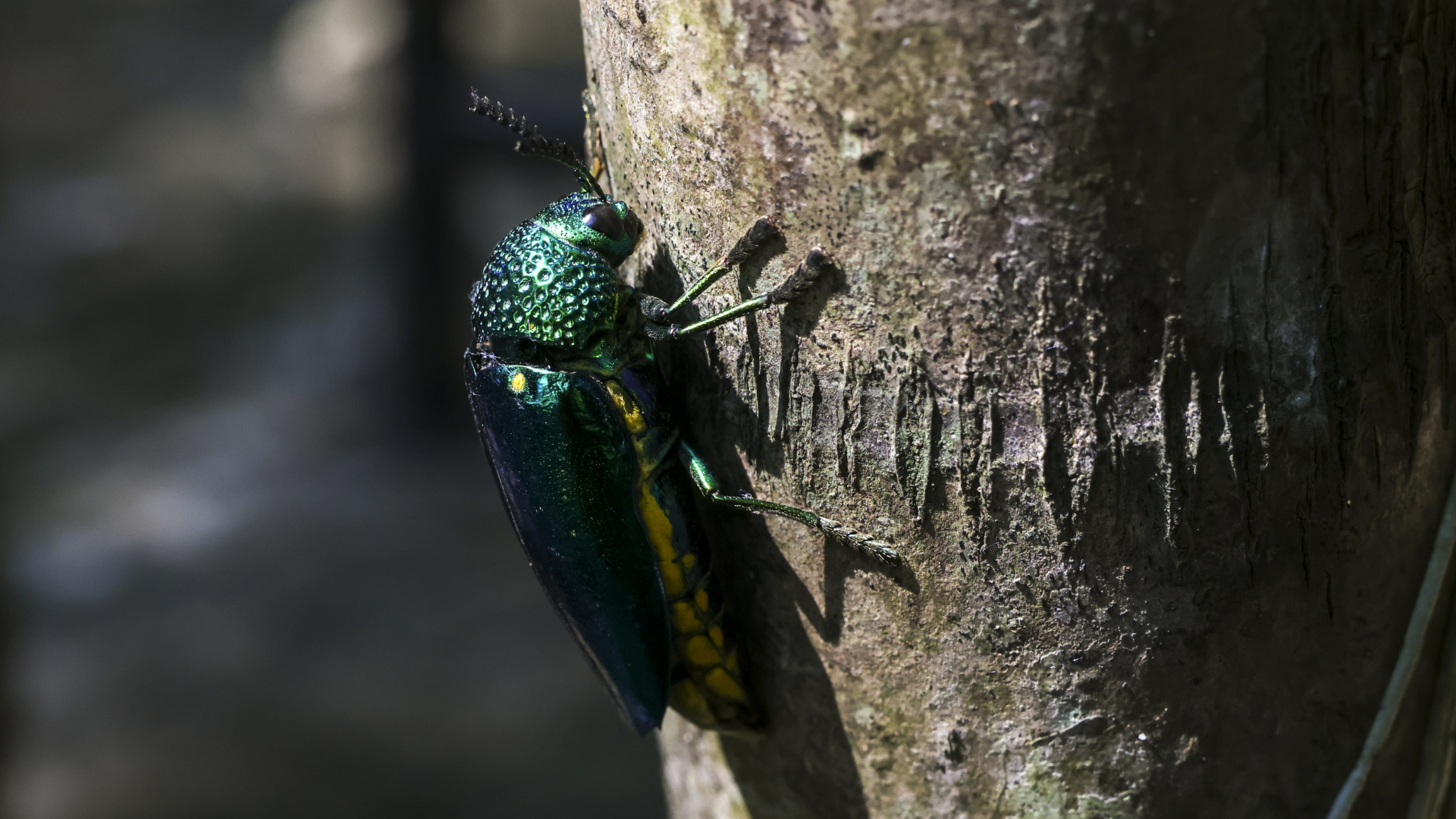
Emerald Ash Borer
Emerald ash borer is one of the most destructive pests affecting ash trees in New Jersey.
The New Jersey Department of Agriculture considers ash trees throughout the state to be at high risk. The larvae feed beneath the bark, disrupting the tissues that move water and nutrients through the tree.
Possible signs include:
- Thinning or dieback near the top of the canopy
- Increased woodpecker activity
- Bark splitting
- New shoots growing from the trunk or lower branches
- Small D-shaped exit holes
Because early damage often begins high in the crown, infestation can be difficult to notice from the ground.
Spotted Lanternfly
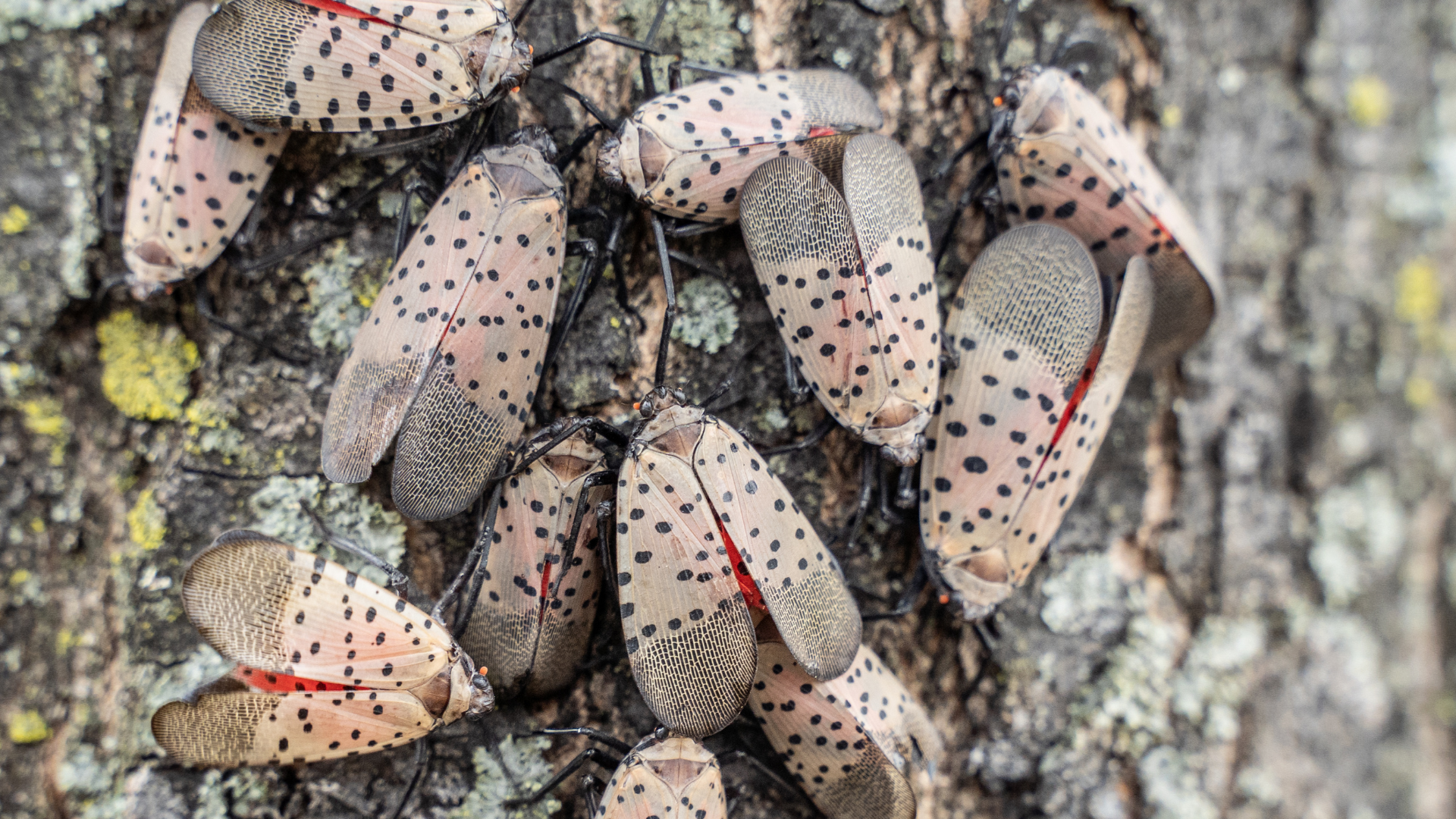
Spotted lanternfly has become a familiar pest across New Jersey.
It feeds by piercing plants and drawing sap. Rutgers notes that the insect can feed on many plant species, including maples, black walnut, willow, birch, and tree of heaven. Heavy populations may contribute to plant stress.
One of the most noticeable symptoms is sticky honeydew collecting beneath infested trees.
That sugary material can encourage dark sooty mold to develop on leaves, patio furniture, vehicles, and other surfaces below the canopy.
Homeowners may also notice large numbers of nymphs or adults clustered on trunks and branches.
Hemlock Woolly Adelgid
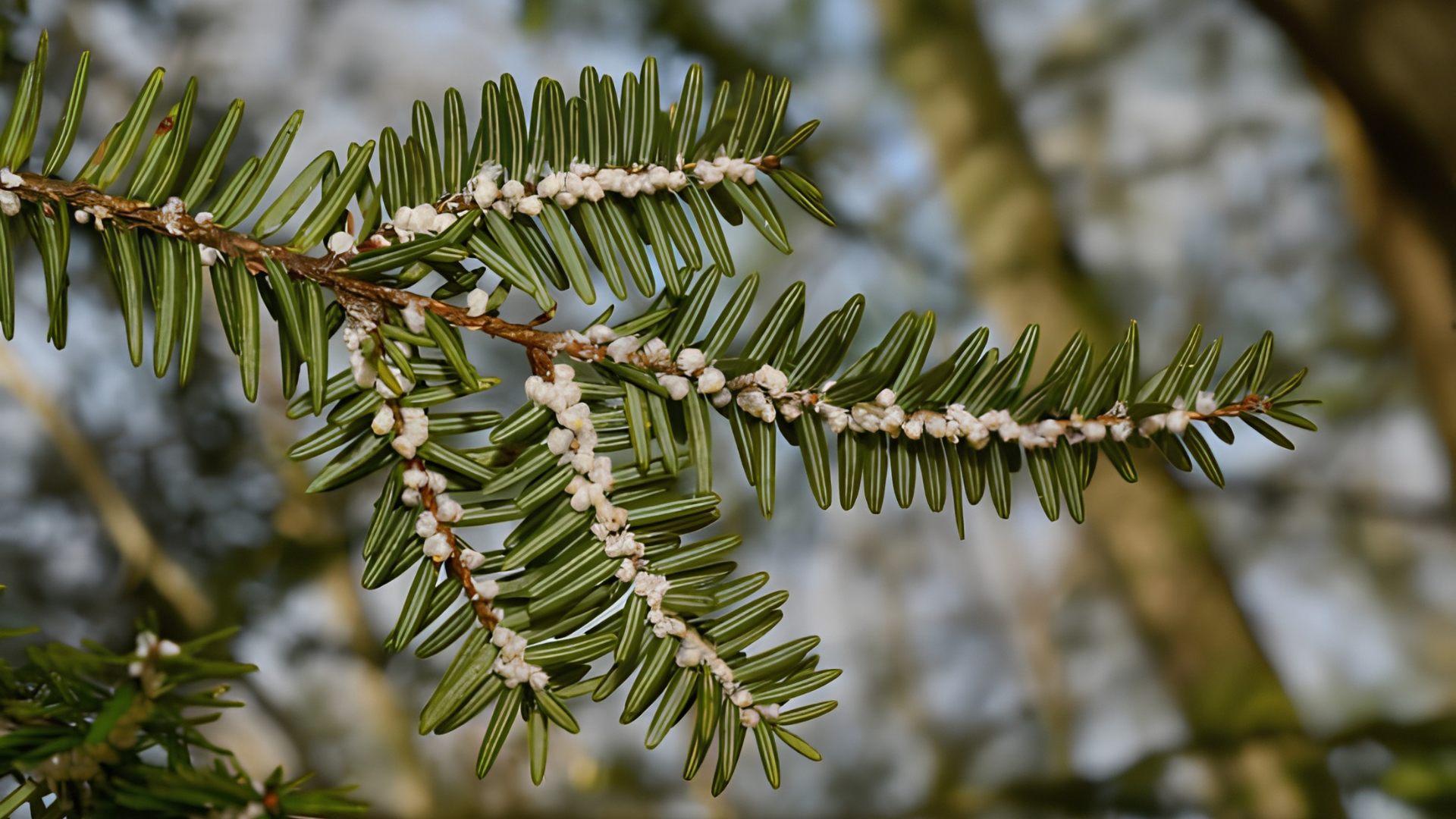
Hemlock woolly adelgid is a small pest that attacks hemlock trees.
It feeds near the base of needles and can gradually weaken the tree by interfering with normal growth.
One of the most recognizable signs is the presence of small white, cotton-like masses along twigs and at the base of needles.
Infested trees may also develop thinning foliage, grayish needles, or branch dieback.
Rutgers includes hemlock woolly adelgid among important pests of conifers in New Jersey.
Spider Mites
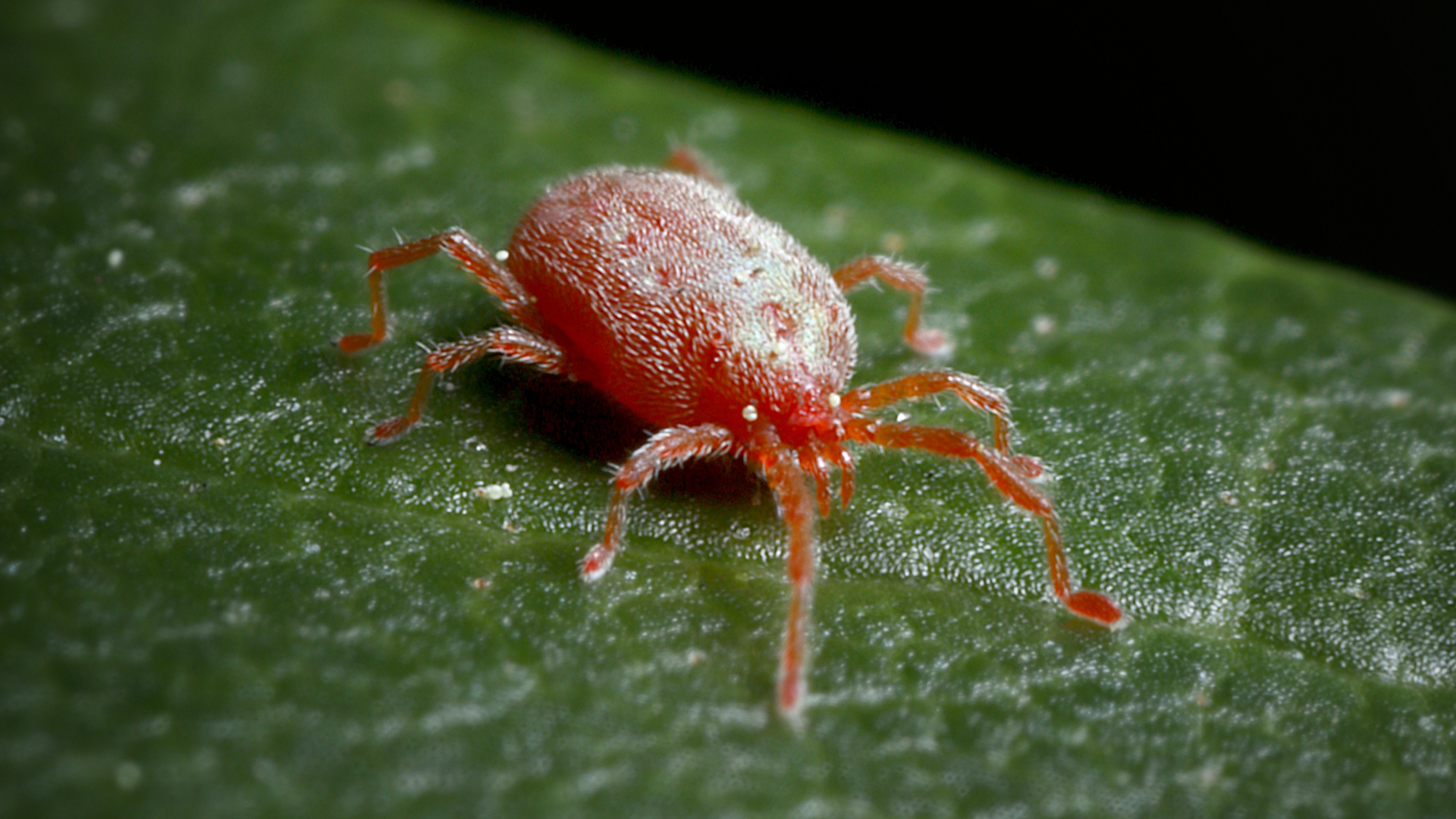
Spider mites are tiny enough to be easily overlooked, but their feeding can cause noticeable changes.
Rutgers notes that spruce spider mites can damage conifers by sucking plant fluids from needles. Early symptoms may include small yellow or white spots. With heavier feeding, needles may turn rusty in color and drop prematurely. Fine webbing may also appear on affected foliage.
Because spider mites can resemble drought stress or other environmental problems, accurate identification matters before treatment begins.
Scale Insects
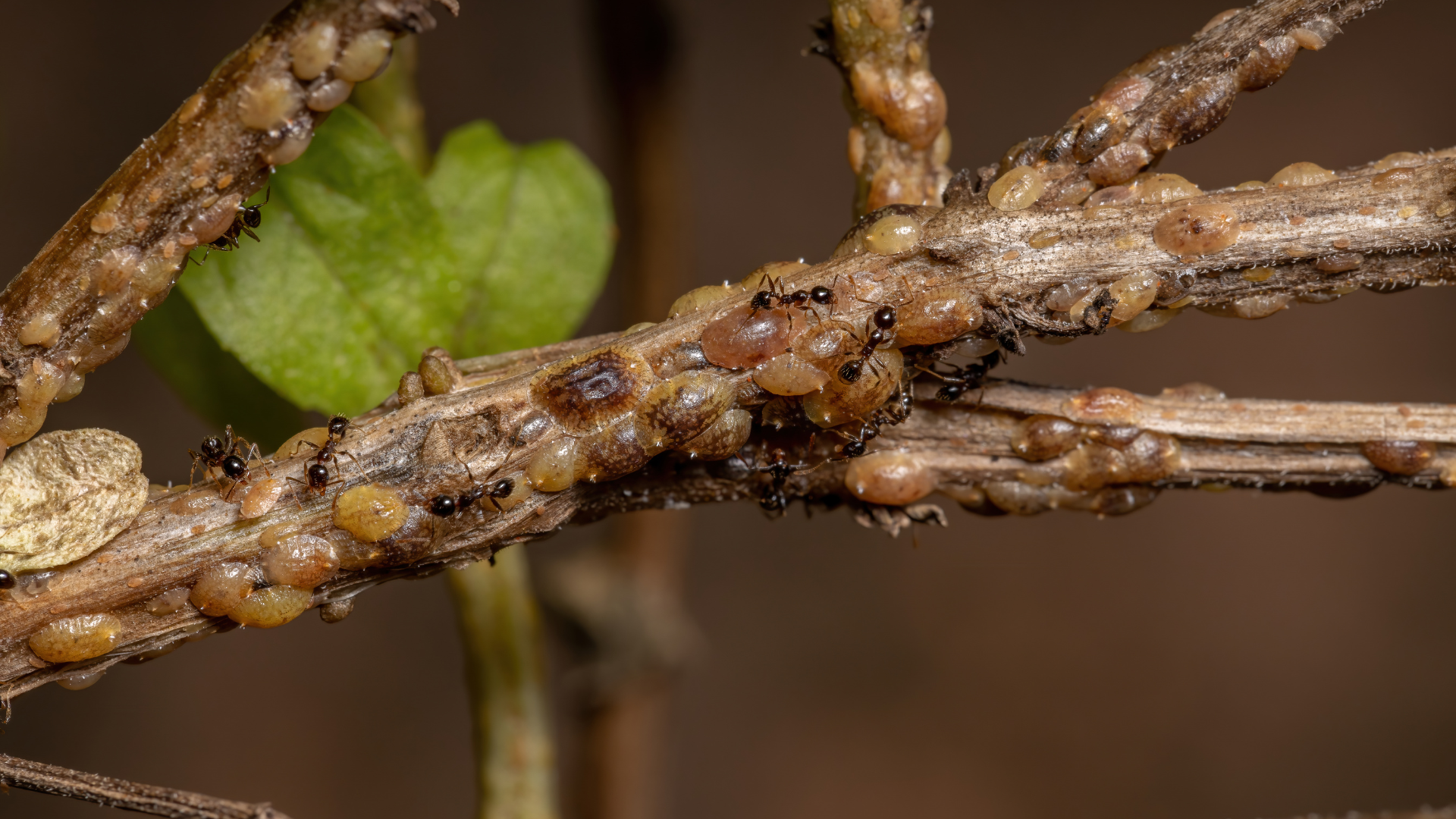
Scale insects are another group of sap-feeding pests found on many ornamental and landscape trees.
They often appear as small bumps attached to branches, twigs, or leaves.
Some species produce honeydew, while others may contribute to yellowing foliage, poor growth, thinning branches, or general decline.
Rutgers pest monitoring resources identify several scale species affecting trees and shrubs in New Jersey, including pests of conifers and broadleaf ornamentals.
Do Not Assume Every Symptom Is an Insect Problem
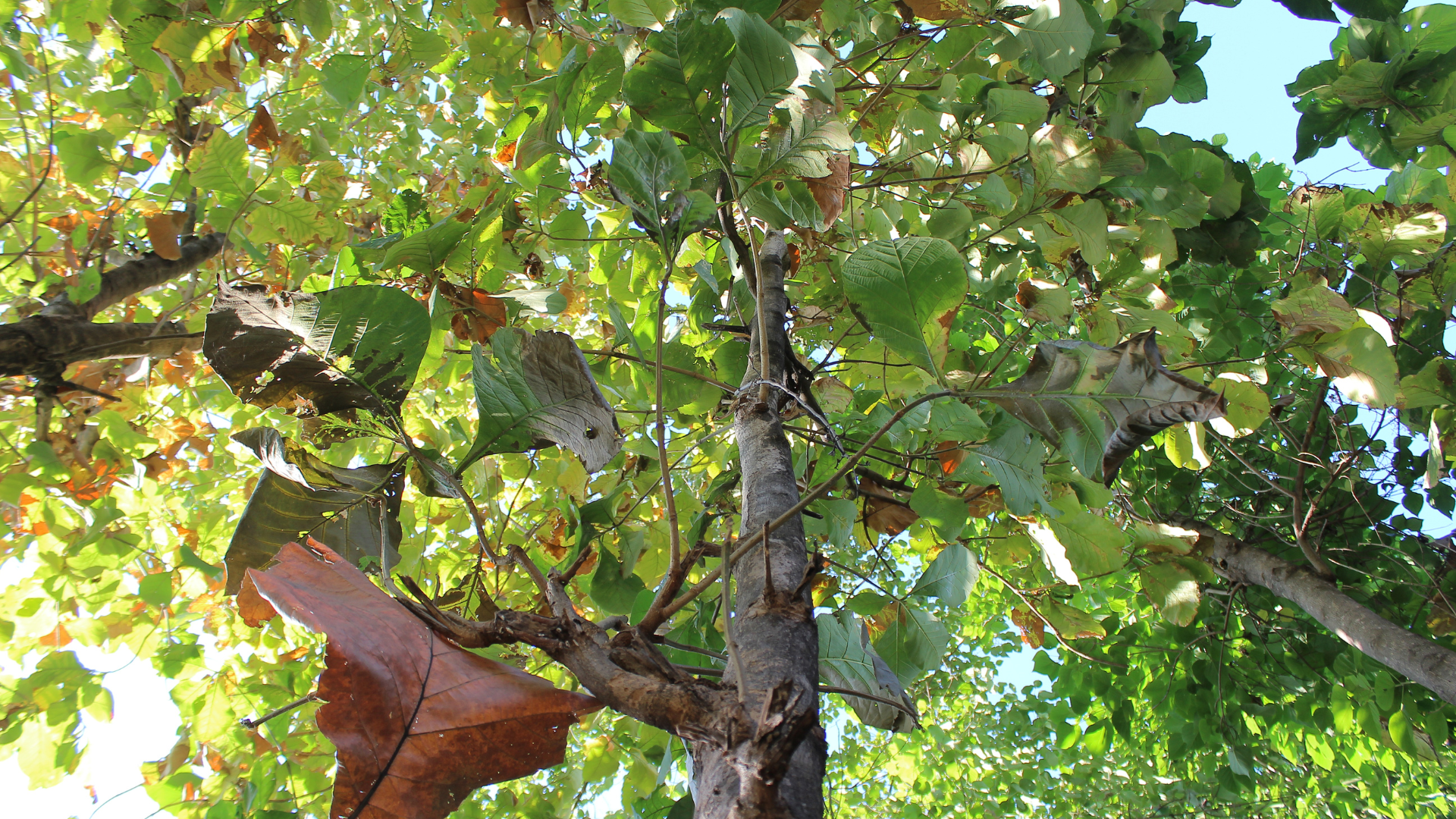
Yellow leaves, thinning branches, deadwood, or premature leaf drop can also be caused by drought, root damage, disease, soil problems, or storm injury.
That is why diagnosis should come before treatment.
Applying an insecticide without knowing the pest may waste money, harm beneficial insects, or allow the true problem to continue.
Watch for Changes in Your Trees
Homeowners should pay attention to new canopy thinning, unusual holes in bark, sticky residue, white cotton-like material, premature leaf loss, dead branches, or sudden changes in tree vigor.
Clearview Tree Service provides professional tree care throughout Northern New Jersey, including pruning, tree removal, storm cleanup, stump grinding, and 24/7 emergency service.
If you have noticed any of the symptoms of tree pest infestation on your property, get in touch with Clearview Tree Service for an evaluation. Identifying the problem early can help determine the right next step and reduce the chance of further tree decline.