Young trees often look healthy even when their branch structure is beginning to develop problems.
Multiple competing leaders, tightly spaced branches, weak branch unions, and poor clearance can all become more difficult to correct as a tree matures. Structural pruning addresses those issues early, while branches are still relatively small and the tree can respond more easily.
For homeowners in Northern New Jersey, thoughtful pruning during the early years can help guide stronger growth and reduce the need for more aggressive corrections later.
The Goal Is Better Structure, Not a Smaller Tree
Structural pruning is not about cutting a young tree back simply to control its size.
The goal is to encourage a strong framework.
That often means identifying which branches should become the primary structural limbs and which ones are likely to compete with them.
A well-structured tree generally has better spacing between major branches and fewer weak unions that may become vulnerable as the canopy gains weight.
Competing Leaders Can Create Problems
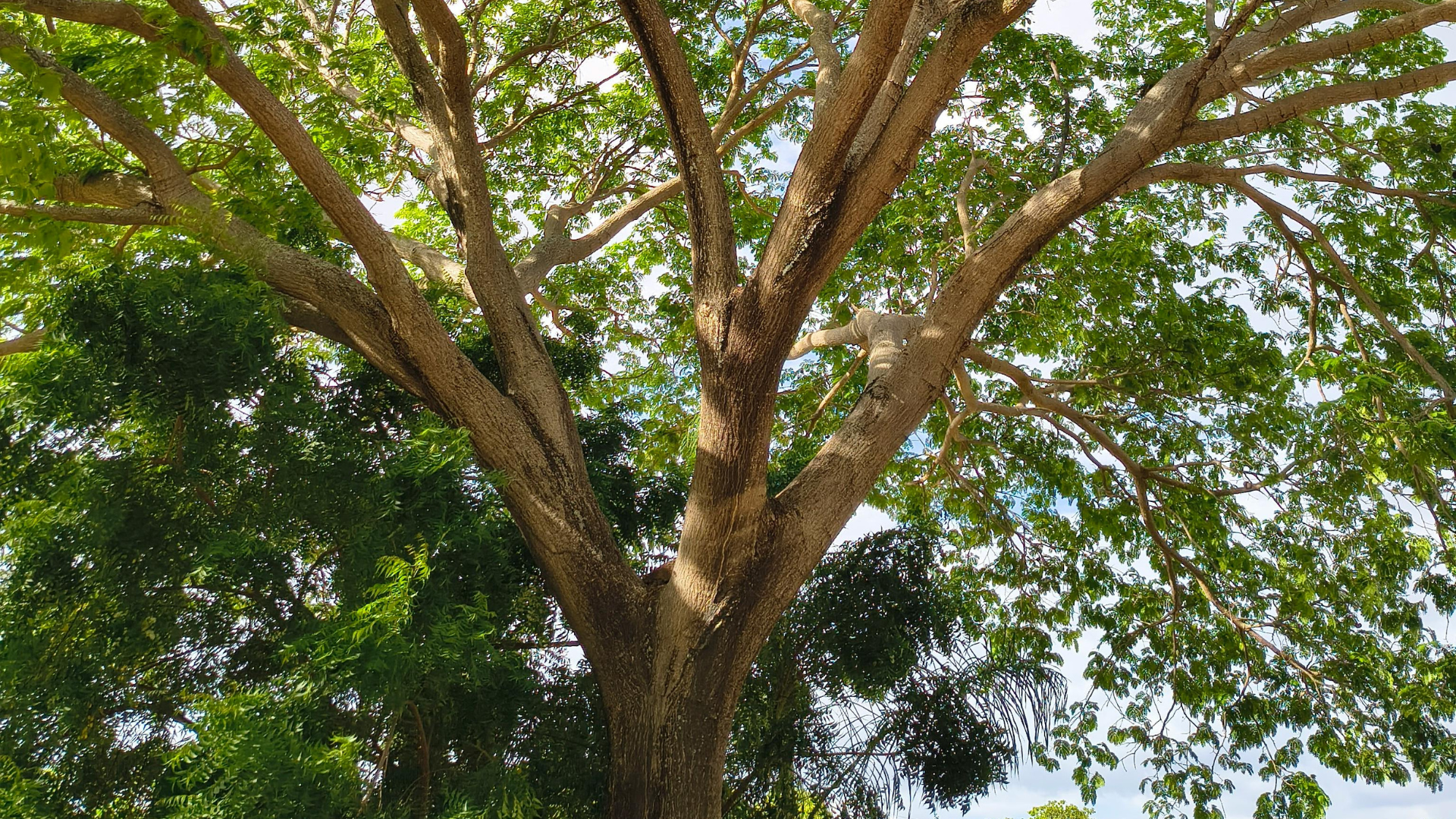
Many young trees develop two or more upright stems that compete to become the main trunk.
At first, this may not look like a problem.
As the tree grows, however, the connection between those stems may become weaker than a single dominant leader would have been.
Narrow unions can sometimes trap bark between the stems instead of forming a stronger wood connection.
Reducing or removing a competing leader while it is still small may help the tree develop a more stable structure.
Branch Spacing Matters
Branches that emerge too close together can create congestion as the tree matures.
When several large limbs originate from nearly the same point, the trunk has to support a lot of weight in one concentrated area.
Structural pruning can help create better vertical and radial spacing between branches.
The objective is not to make the canopy look perfectly symmetrical.
It is to give future scaffold branches enough room to grow without crowding one another.
Crossing and Rubbing Branches Should Be Addressed Early
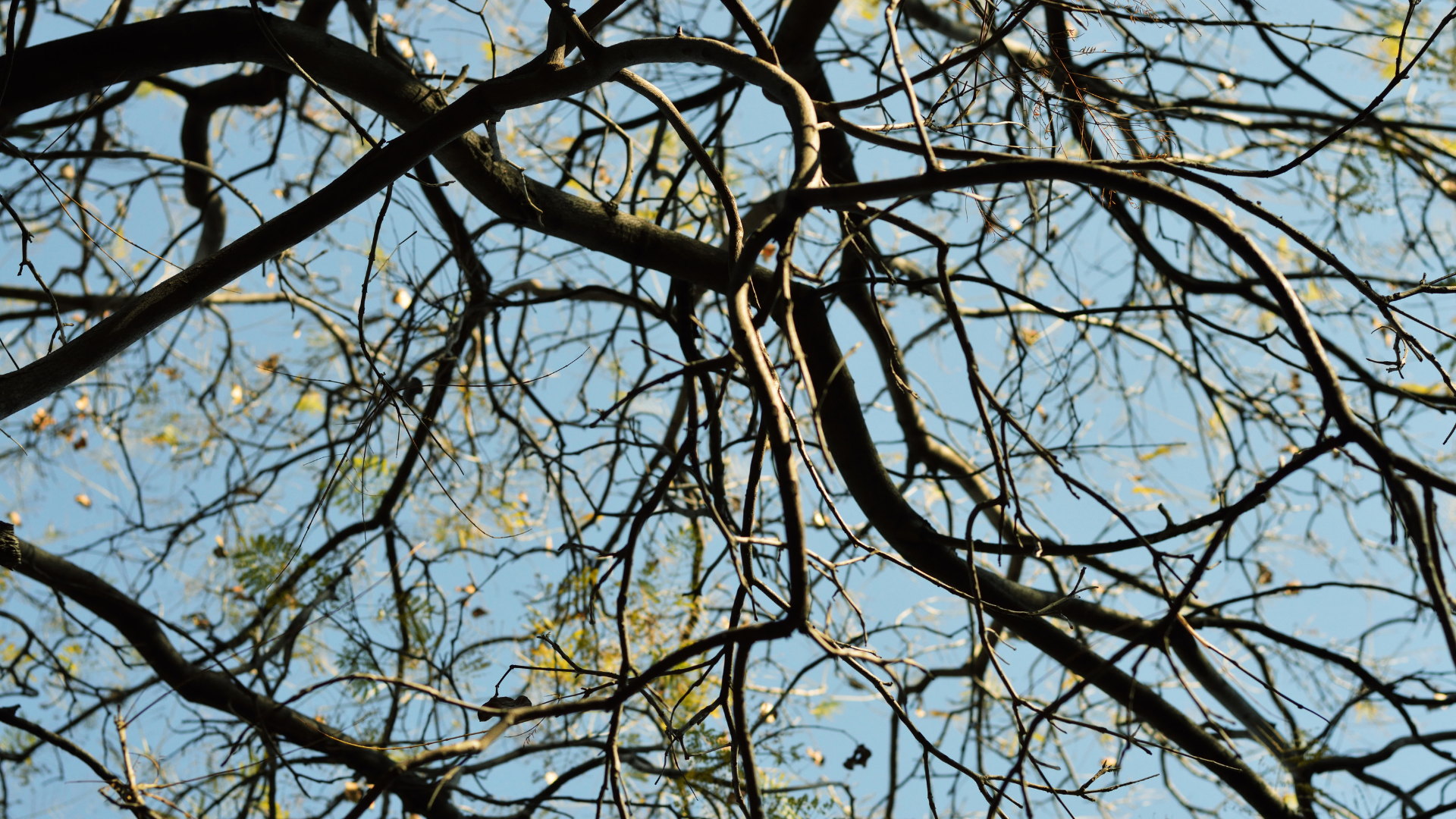
Branches that cross or rub can damage bark over time.
The repeated friction may create wounds where two limbs contact each other.
When those branches are still small, correcting the issue is usually much simpler.
Waiting until both limbs become large can require removing a much greater amount of live wood.
That is one of the main advantages of early pruning: small changes can influence long-term development.
Low Branches May Be Temporary
Young trees often have low branches that contribute to trunk development.
Removing every low limb too early can be counterproductive.
Instead, some branches may be gradually reduced over time until the tree reaches the desired clearance for walkways, driveways, buildings, or lawn equipment.
This staged approach allows the tree to continue developing while preparing it for the space it will eventually occupy.
Avoid Removing Too Much at Once
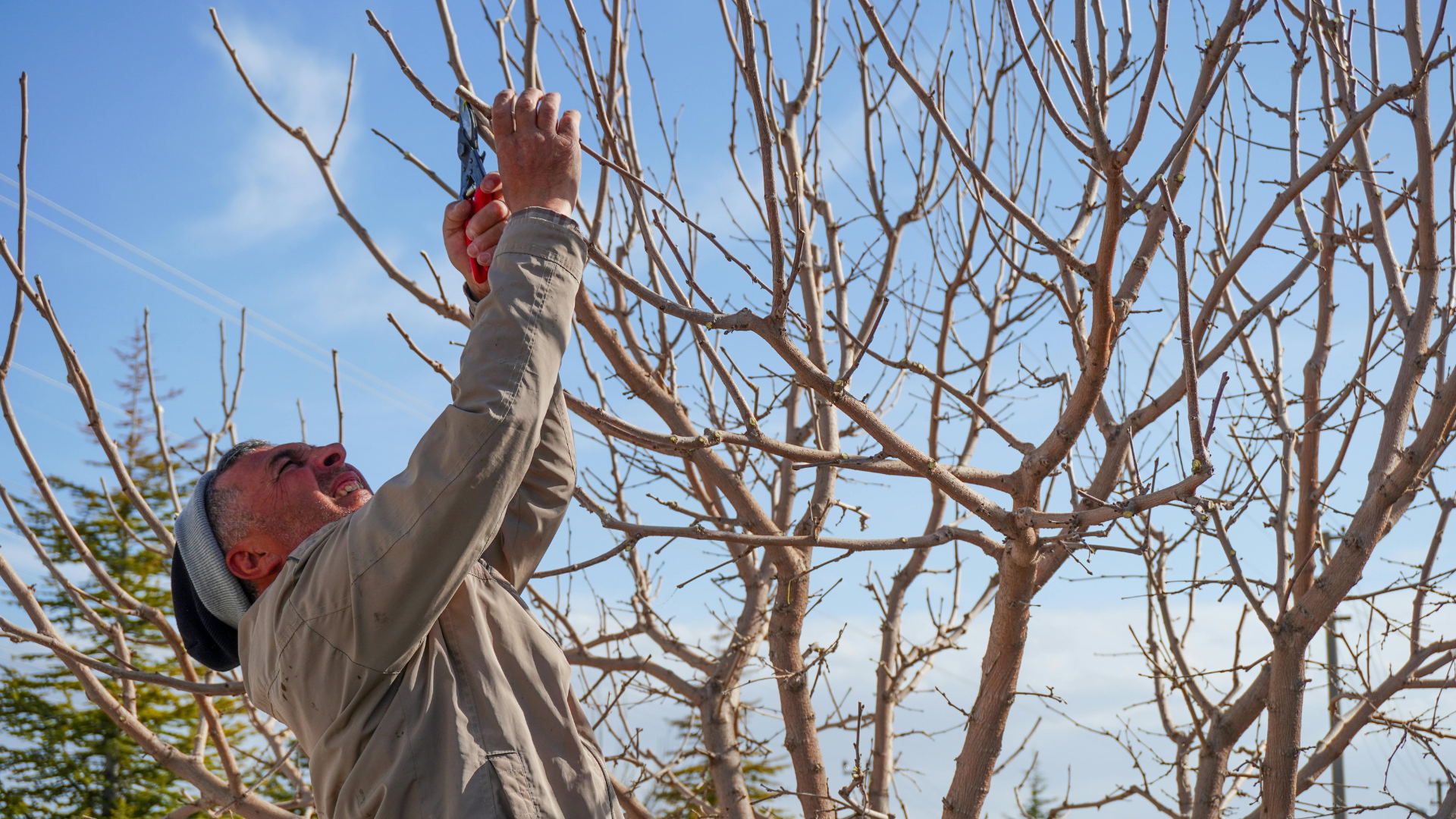
Young trees can benefit from pruning, but excessive pruning can create unnecessary stress.
Removing too much live foliage reduces the tree's ability to produce energy.
A good structural pruning plan is often spread across several visits rather than trying to create the finished mature shape immediately.
That approach allows the tree to respond gradually while maintaining healthy growth.
Every Species Grows Differently
Not all trees should be pruned using the same pattern.
Some species naturally develop strong central leaders. Others tend to branch differently or mature into broader forms.
Site conditions matter too.
A tree growing near a house may need a different long-term structure than one growing in an open yard.
The
pruning plan should account for species, age, location, condition, and the tree's expected mature size.
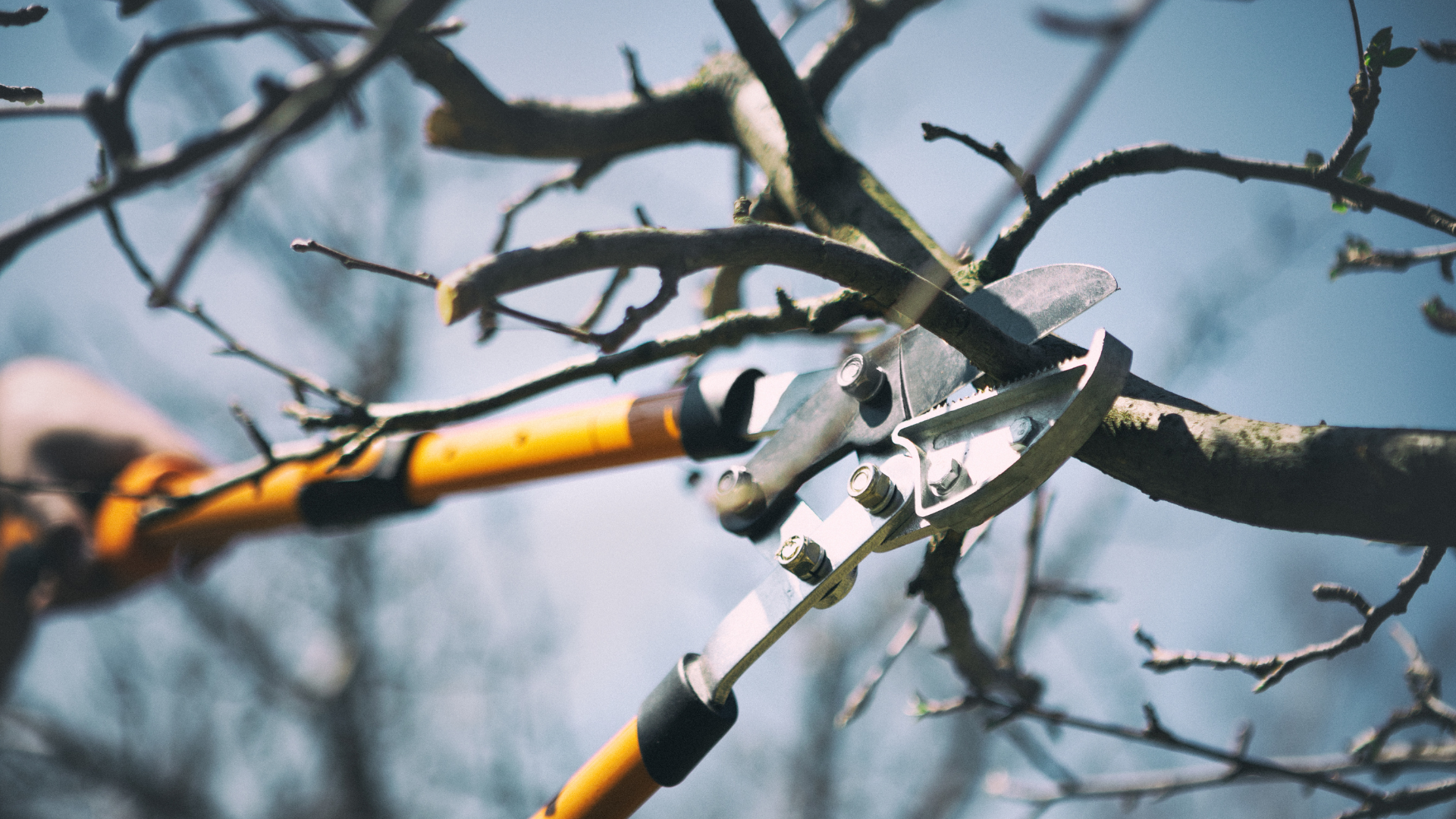
Early Care Can Prevent Bigger Problems Later
Correcting a small branch on a young tree is generally easier than removing a large structural limb years later.
Early pruning can help reduce weak unions, improve branch spacing, establish clearance, and guide the canopy into a stronger form.
Clearview Tree Service provides professional pruning and tree care throughout Northern New Jersey, backed by more than 20 years of experience.
If you have young trees that have never been structurally pruned, contact Clearview Tree Service for an evaluation. Early attention can help guide healthier growth while reducing the likelihood of larger pruning and safety problems as the trees mature.