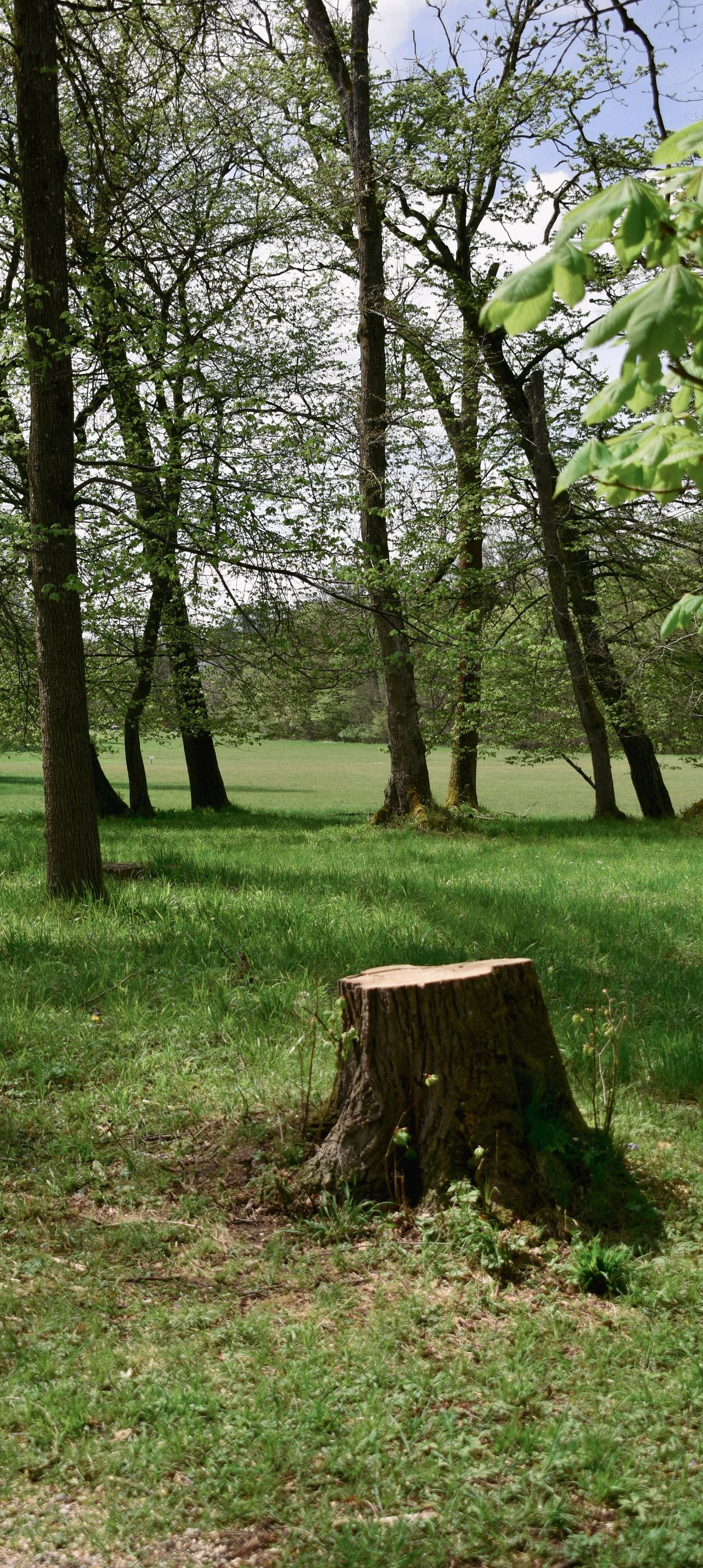
After a tree is removed, it can be tempting to leave the stump in place and consider the job finished.
In some situations, that may seem harmless at first. Over time, however, an old stump can create problems with appearance, landscaping, lawn maintenance, pests, and future use of the property.
For homeowners and commercial property managers in Northern New Jersey, stump grinding can be an important final step in restoring the area after tree removal.
Stumps Can Become a Lawn Maintenance Obstacle
One of the simplest problems with an old stump is that it gets in the way.
Mowing around it takes extra time, and exposed roots can make trimming more difficult. A stump located near a driveway, walkway, or landscaped area can also reduce the amount of usable space.
As the wood begins to decay, the shape may become less predictable.
Edges can soften, pieces may break away, and the surrounding ground can become uneven.
Removing or grinding the stump can make the area easier to maintain and use.
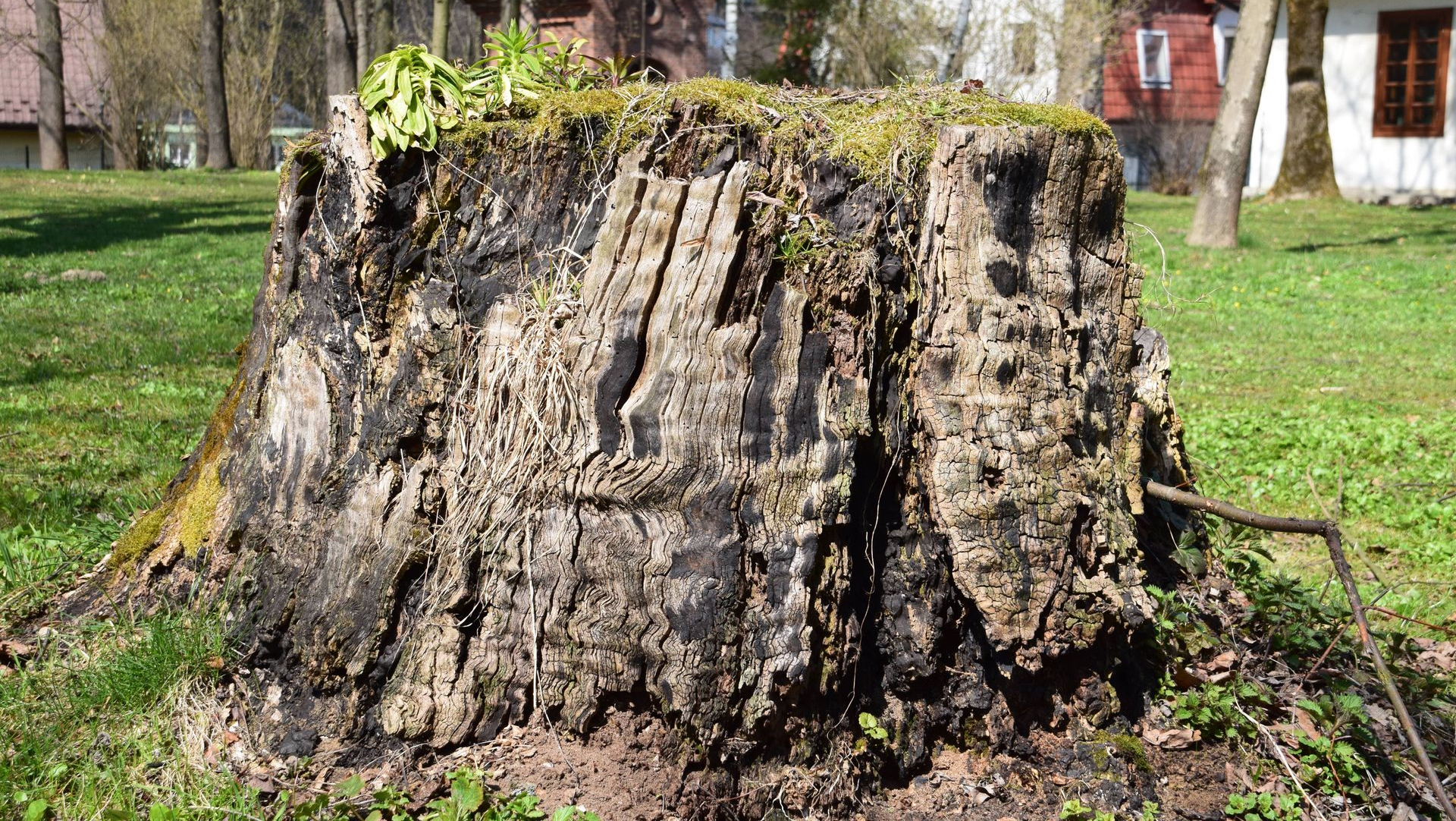
Decaying Wood Can Attract Insects
Tree stumps naturally break down over time.
As they decay, they can become attractive to certain insects and other organisms that feed on or live in dead wood.
Not every old stump will create a major pest problem, but decaying material near a home, shed, fence, or other structure is something property owners should monitor.
Grinding the stump removes much of the above-ground wood and can reduce the amount of decaying material left in the landscape.
New Growth Can Appear Around the Stump
Some tree species may continue producing shoots after the main trunk has been removed.
These sprouts can emerge from the stump or from remaining roots nearby. Repeatedly cutting them back can become an ongoing maintenance chore.
In some cases, the regrowth may continue for a considerable period.
Stump grinding does not always remove the entire root system, but it eliminates the main stump and can make the area much easier to manage.
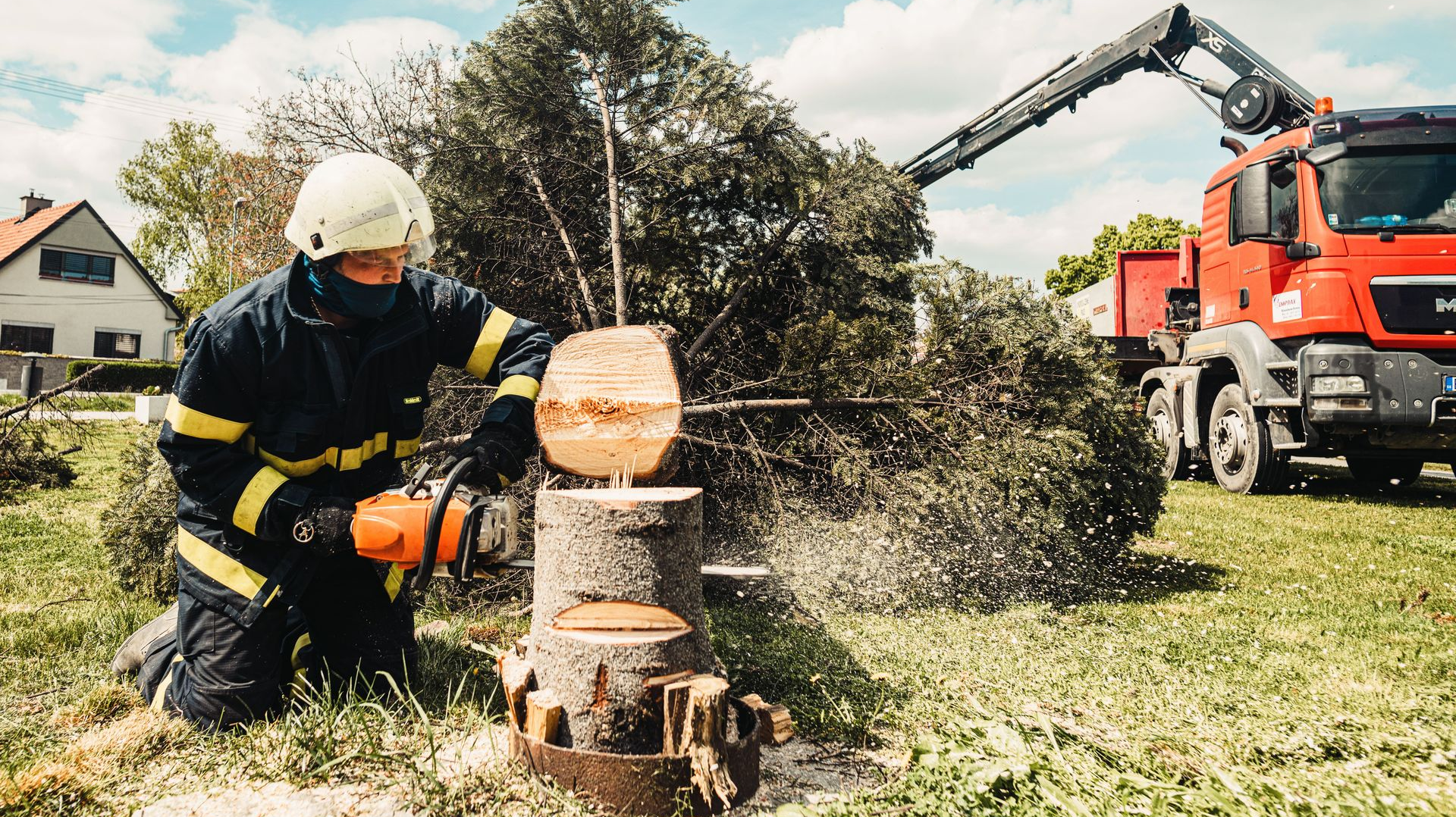
Stumps Can Interfere With New Landscaping
A leftover stump can limit future plans for the yard.
Homeowners may want to install new grass, expand a planting bed, create a patio, reposition a fence, or simply open up the space.
A stump in the middle of that area can make those projects more difficult.
Grinding the stump below grade creates more flexibility for future landscaping.
Depending on the condition of the site, the area may then be backfilled and prepared for another use.
If a new tree will be planted nearby, spacing and remaining roots should still be considered.
Surface Roots Can Remain a Trip Hazard
Large trees often have visible roots that extend well beyond the trunk. After removal, some of those roots may remain near the surface.
That can create uneven areas in lawns, around walkways, or near places where people regularly move through the property.
Stump grinding can often address the main stump and certain accessible surface roots, depending on their location.
A professional evaluation helps determine what can be safely removed without disturbing nearby structures, utilities, or landscaping.
Old Stumps Can Make a Property Look Unfinished
Tree removal is often done to improve safety, create space, or clean up the appearance of a property.
Leaving a large stump behind can make the project feel incomplete.
This is particularly noticeable in front yards, commercial properties, landscaped entrances, and other highly visible areas.
Grinding the stump can give the property a cleaner, more finished appearance and make it easier to restore the surrounding lawn or planting bed.
Stump Grinding Is Different From Full Stump Removal
Stump grinding and stump removal are not the same process. Grinding typically reduces the stump below ground level using specialized equipment, while complete removal involves extracting much more of the stump and root system.
For many residential and commercial properties, grinding is the more practical option because it creates less disturbance.
The best approach depends on the stump size, location, surrounding structures, and plans for the area.
Finish the Job With Professional Stump Grinding
Leaving a stump behind may save one step immediately, but it can create additional maintenance and landscaping challenges later.
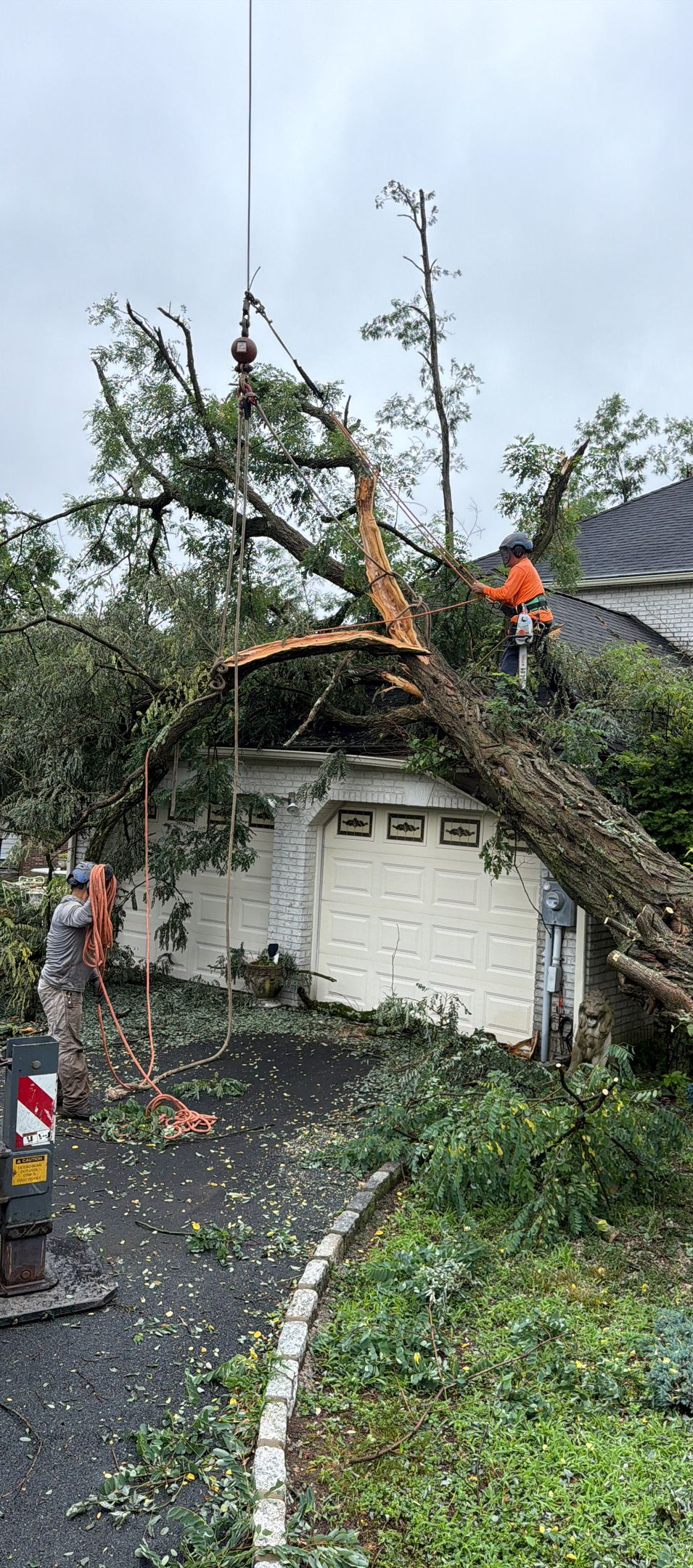
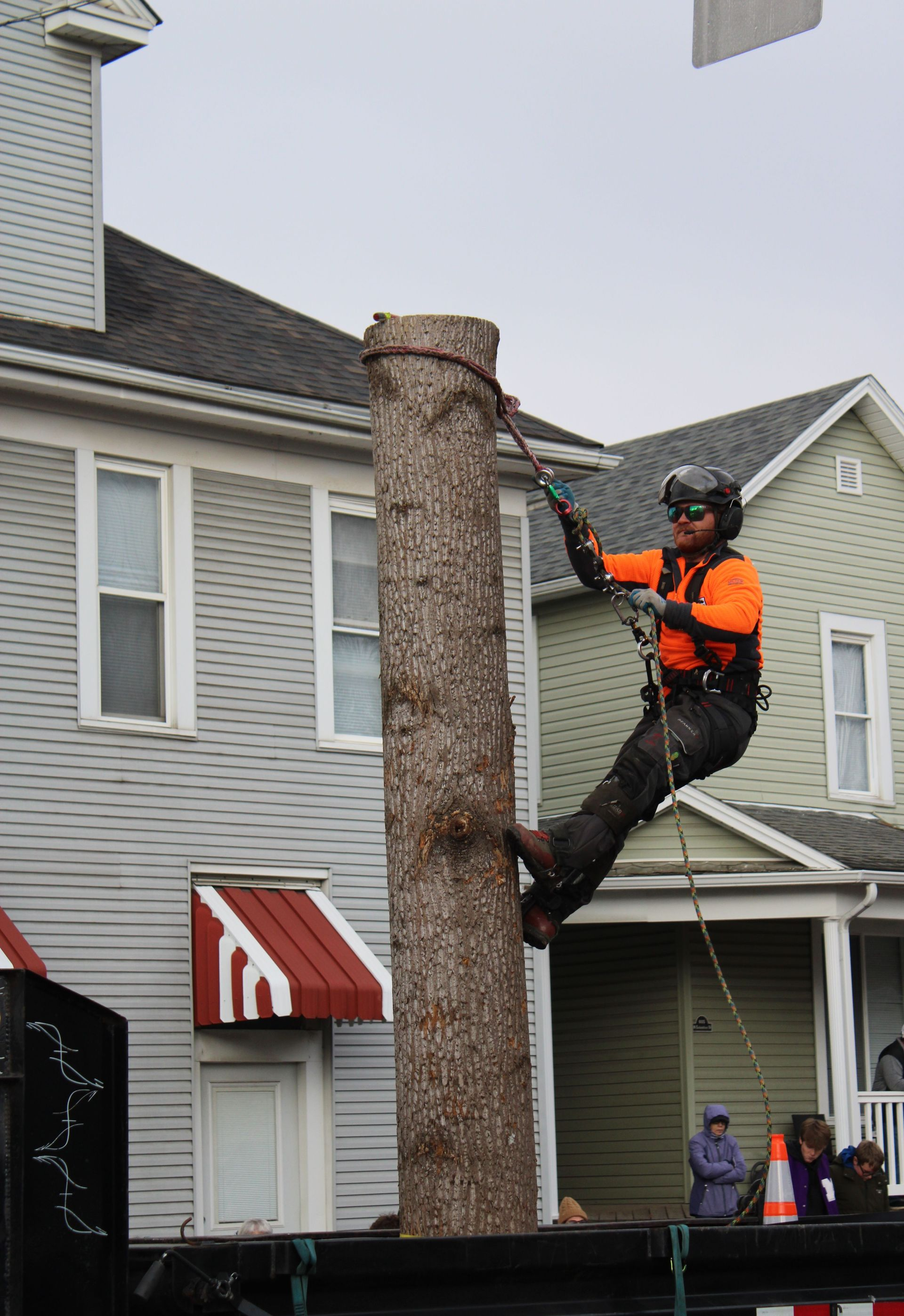
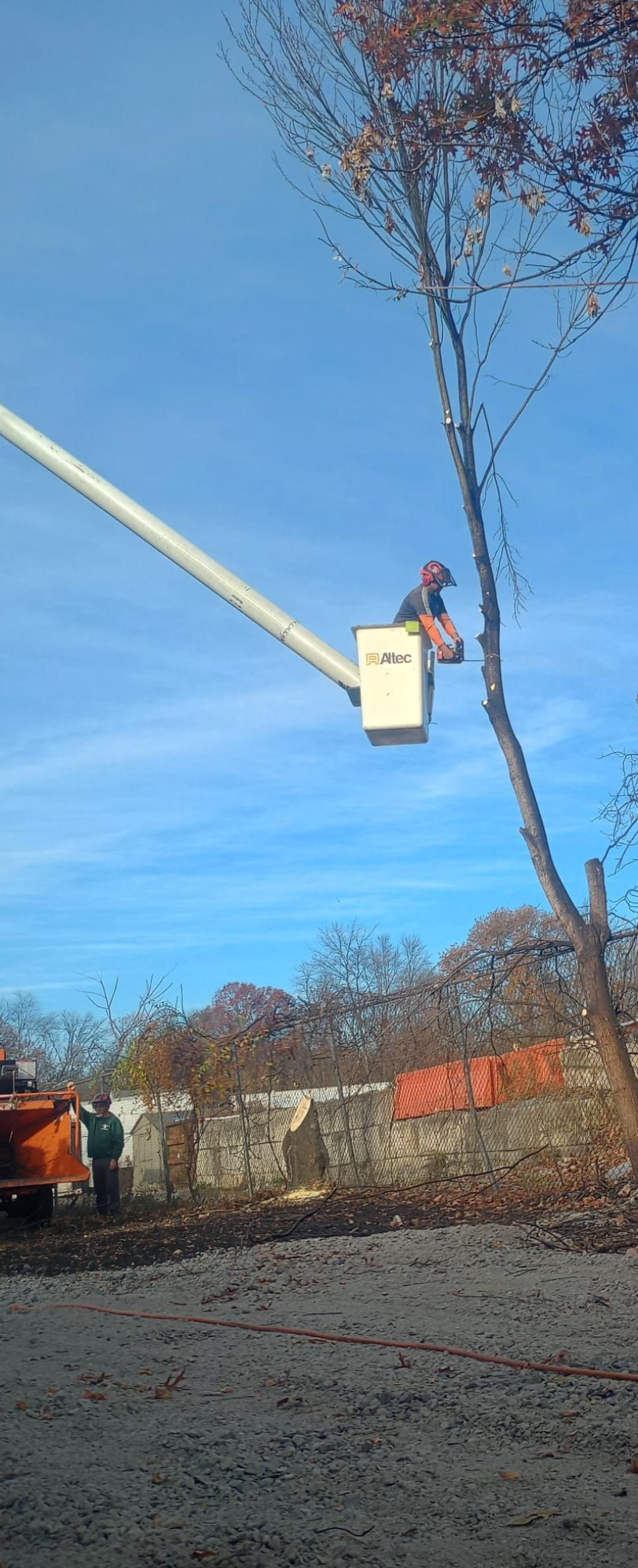
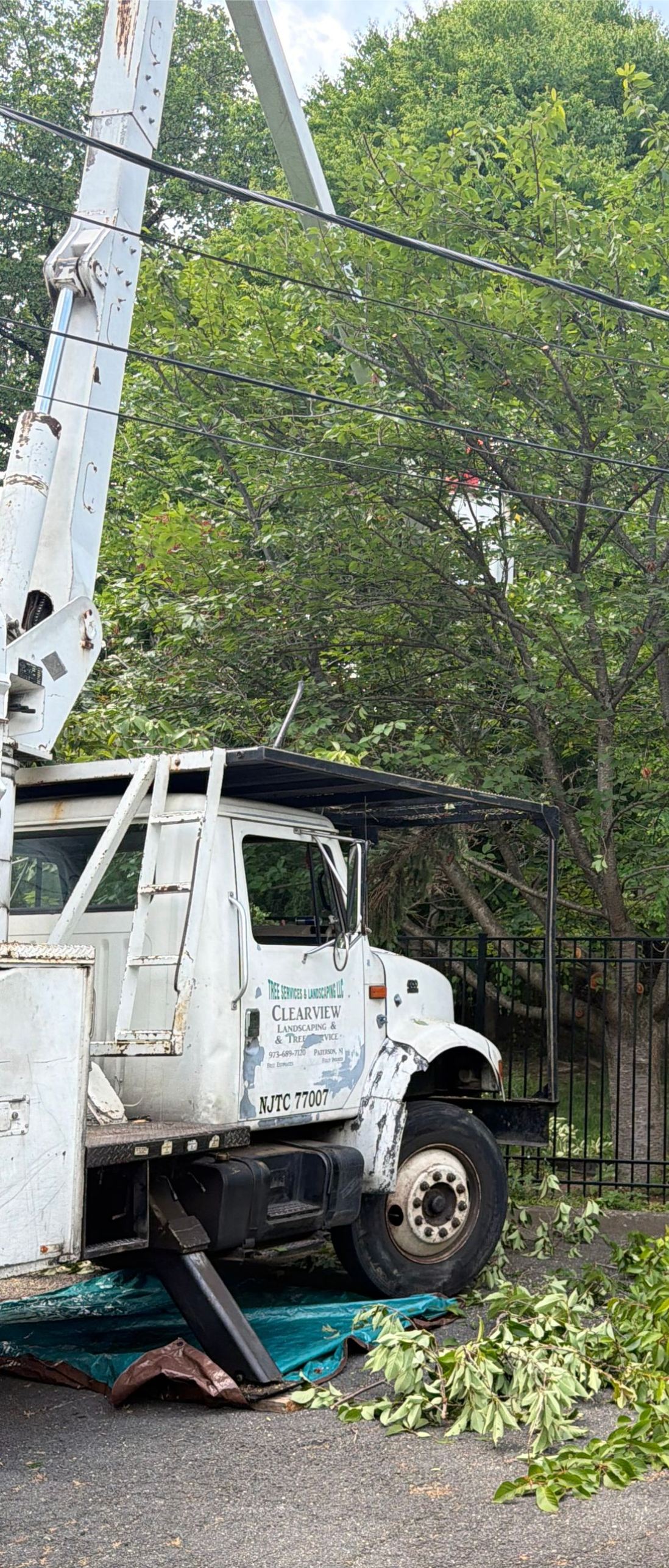
Clearview Tree Service provides stump grinding, tree removal, pruning, storm cleanup, and other tree services throughout Northern New Jersey. With more than 20 years of experience and 24/7 emergency response available, the company can help property owners manage hazardous trees and restore the area after removal.
If an old stump is taking up space, creating a maintenance problem, or getting in the way of future landscaping, contact Clearview Tree Service for an estimate and professional stump grinding.